Office Address
Comapany Address
Phone Number
Email Address
info@ hstnpl.com
Comapany Address
info@ hstnpl.com
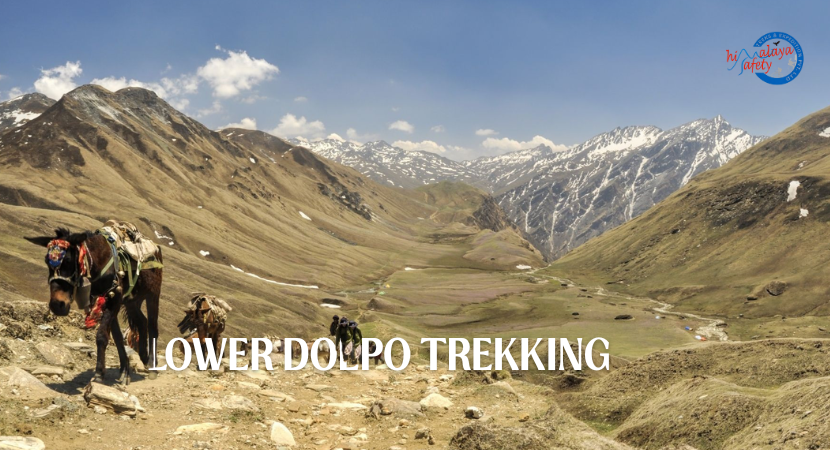
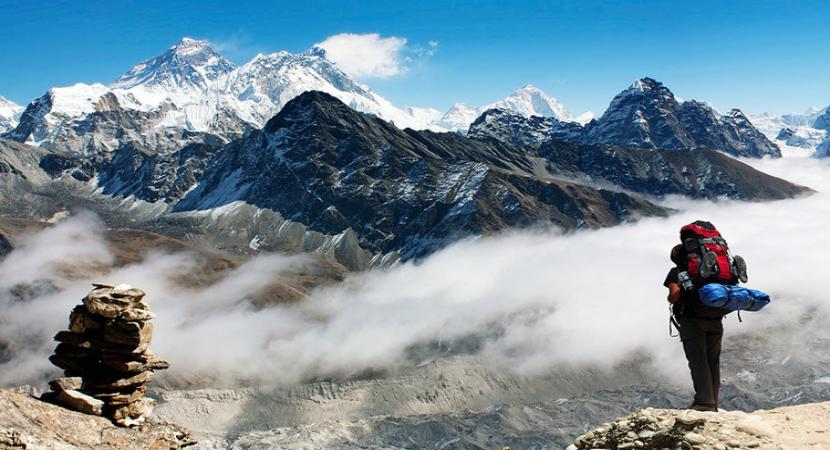
Lower Dolpo Trekking is located at the remote sector of western trans- Himalayan region of Nepal. It was opened for Trekking in 1990 AD. It lies in the Phoksundo National park, which is the deepest Lake of Nepal- Phoksundo. The Lower Dolpo region is bordered by Dhaulagiri in the South and Tibet in the North. The trail goes through Buddhist, Hindus and ancient Tibetan civilizations. This trip covers the traditional salt route between Nepal and Tibet. It has three famous passes: Num-La (5160miters), Kagmara-La (5115m) and Bag-La (5190m). We do provide you the best service of the trip and guide, Cost, Itinerary of every year.
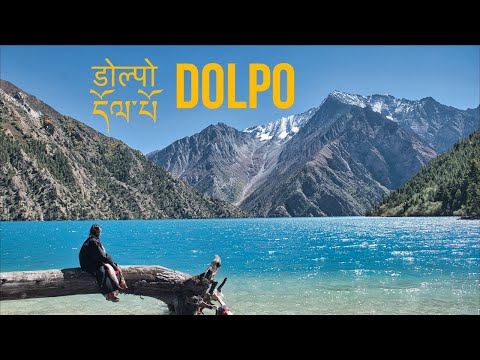
This Trek begins with a flight from Kathmandu to Juphal via Nepalgunj. Juphal is the starting point for this trek. You trek through a semi-desert region combined with a densely forested path filled with pine, rhododendrons, bamboo, and juniper trees along with trails made up of huge meadows, brown landscape, and terraced colorful fields. Admiring the beautiful rain shadow landscape of the Himalayas, you also enter the beautiful Shey Phoksundo National Park, inhabited by endangered animals like snow leopard, Himalayan musk deer, blue sheep, and so on. The trekkers also traverse through two high passes: Numa La (5360m), the highest point of the trek, and Baga La (5070m). Both these passes offer extraordinary views of Mt. Dhaulagiri (8167m) and the Tibetan ranges—Kugung La and Khyung La. During summer, we can see the caravans of yaks and sheep heading towards their destination. Another highlight of the trek includes the pristine turquoise Phoksundo Lake, split between rocks that rise 2000m into the clear mountain skies. The Dolpo region is populated by Tibetan and Magar people who still practice the pre-Buddhist Bon Po religion. The trek also includes visits to the ancient monasteries (gompas) and Bon Po shrines surrounding the Phoksundo Lake. All in all, Lower Dolpo Trek is ideal for those trekkers who love wild adventures
Lower Dolpo is a remote and less-developed region, so basic facilities and long trekking days should be expected. This trek involves high-altitude passes, making good physical fitness and prior trekking experience highly recommended. Weather conditions can change quickly, and flights to Juphal are subject to delays. Due to the protected nature of the region, permits are required, which are arranged as part of the trekking package. The journey is best suited for travelers who value authentic culture, untouched nature, and adventurous trails over luxury.
Upon arrival in Kathmandu, Tribhuvan International Airport, we will receive you with a private vehicle and transfer to your hotel in Kathmandu.Our representative will give you information about further programs.
We need your original passport with Nepal’s Visa to prepare Lower Dolpo restricted area permit. It takes some hours for official formalities to complete permits. Then we fix each other's meeting time. You will introduce yourself with your guide. Your guide will brief details of Dolpo trek with having tea / coffee
After our short excursion in Kathmandu, we take an hour-long flight from Kathmandu to Nepalgunj, located in Western Nepal. Nepalgunj, a town near the Nepal-India border, is also the gateway to Simikot, Humla. The town itself is an interesting Terai town that showcases the diverse culture of Nepal. In Nepalgunj, we visit the local market, mini-zoo and nearby villages. Overnight in Nepalgunj.
We fly to Jhupal after breakfast. The town is beautifully located over the Himalayan foothills, with views of Annapurna and Dhaulagiri peaks to its north. Here, we meet our trekking staff and begin the adventure. We walk through terraced fields to the Bheri River and its narrow gorge. We continued walking to Dunai which is the administrative headquarters of the Dolpo region. We explore the small town in the evening and camp there for the night.
After breakfast our trek continues along the southern bank of the Bheri River heading upstream on an easy trail. Along the way, we pass through several deep gorges, hanging bridges and isolated villages. Our trail also includes a tremendous gorge with pine trees and a path built about seven meters above the river. After walking for a while, we will be greeted by the colorful, terraced field of Tarakot, a small village that stands on a hillock to the south of the Bheri River. Overnight in Tarakot.
We walk alongside Tarap Chu river and cross it twice before reaching Sandul Gompa. The gompa lies at a junction between Barbung Khola and Tarap Chu river. We continue walking on a trail that takes us through farm terraces and rural villages. After ascending and descending for a while, we finally reached Laini. Overnight in Laini.
We climb on a steep trail and walk along switchback above the Tarap River. The walk is quite exciting as the valley becomes a narrow gorge that in some places you can jump from one side to another. Several vigorous climbs and descents will take us to the banks of the Chyugur Khola, from where we reach Nawarpani. Overnight in Nawarpani.
We begin today’s trek by gradually ascending to Kamattarka at the confluence of the Tarap Chu and Lang Khola. We cross a narrow gorge and leave the tree line behind us and welcome wild rose and juniper bushes, typical of the dry inner Himalayan valleys. After walking for several more hours, we reach the village of Dho Tarap which is surrounded by an irregular stone wall. In this Valley both Bon Po and Chaiba religious sects reside together. Tarap is also inhabited by a few Tibetans and mostly Magars who have lived here for many generations. Overnight in Do Tarap.
The day off will assist with acclimatization and allow some bodily rest. We can spend the day visiting nearby monasteries. During today’s short walks, we also get a chance to get acquainted with the local culture. The Dolpo people wear homespun clothing that is sometimes dyed a maroon color and they favor Tibetan style somba or dhocha (boots with upturned toes) for foot wear. Both men and women often wear religious amulets and strings of coral, amber and turquoise. The people of the region are both Bon Po and Nyingmapa (Buddhist sects). Overnight in Do Tarap.
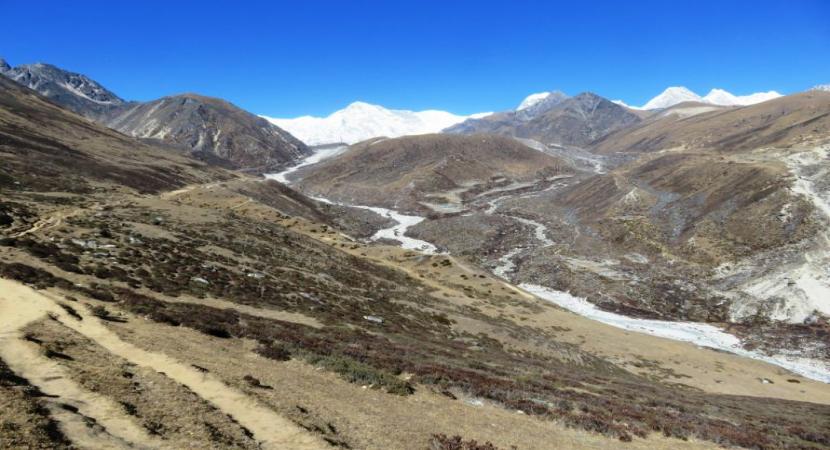
We trek towards the upper Tarap valley enjoying views of lush grasslands on both sides of the river which is unique to this part of the inner Dolpo. We walk alongside Tarap Chu river and take pleasure in the amazing views of the vast Tarap valley with its wide plains and high mountains. A few hours' good walk takes us to the village of Tokyu which houses a Buddhist monastery of the Chiba sect. After exploring the monastery, we continue walking up the valley on a rough trail before reaching the Numa La Base Camp. Overnight in Numa La Base Camp.
Today is going to be the toughest and one of the longest days of our trek. After breakfast, we begin crossing the Numa La pass on a steep trail all the way up the top ridge of the pass. From the ridge we get incredible views of the barren mountains of Dolpo up to Mt. Dhaulagiri (8167m). After getting to the top of Numa La, we descend to camp at Pelung Tang.
After breakfast we begin our steep climb up to the top of Baga La pass. From here, we get fantastic views of the dry landscape and the distant snow-capped mountains including Mt. Kanjirowa. We spend some time at the top of the pass taking pictures and generally enjoying the mesmerizing views. Next, we descend to Dajok Tang for an overnight stay.
We spend most of today’s trek on trails alongside beautiful pine forests and alpine vegetation. After trekking for a short while on an easy trail with only gradual highs and lows, we reach Ringmo Village. The village is a traditional Tibetan village of the Dolpo region. Overnight in Ringmo.
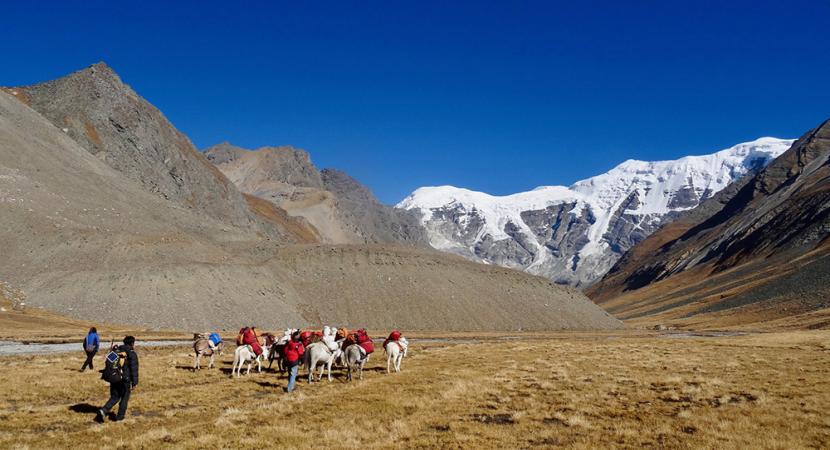
Today we explore the great Phoksundo Lake and camp at its shores. We see yak caravans moving in and out of Ringmo mostly towards Tibetan borders on remote mountain trails. The scene is even depicted in a Hollywood movie ‘Caravan’ shot mostly in this location. On our way to the lake, we also toured a nearby monastery. Upon reaching the Phoksundo Lake, we can enjoy a relaxing walk on the serene lake’s shores. Overnight at Phoksundo.
We trek downhill to Chepka. From Chepka the trail follows a massive overhanging rock. During our trek, we find many important medicinal minerals which are believed to cure almost anything in this area. The route then passes through villages, before climbing to Shyanta. Overnight in Shyanta.
We march towards Jhupal via Sulighat on a trail surrounded by birch trees. From atop a ridge, we get the most spectacular views of the mountain above us and Jhupal Village below. Utmost caution is required while trekking along this trail. After reaching Jhupal, we can spend our afternoon exploring the busy market town or simply taking a rest. Overnight in Jhupal.
We take the earliest flight from Jhupal to Nepalgunj. Upon reaching Nepalgunj, we return to Kathmandu on the next available flight. Upon our arrival in Kathmandu, we will be transferred to our hotel. There is nothing to do but trade emails with travel companions and organize the photos. To celebrate the successful completion of our journey, we will have a farewell dinner in the evening. Overnight in Kathmandu
Free day in Kathmandu.To celebrate the successful completion of our journey, we will have a farewell dinner in the evening at Nepali Restaurant. Overnight in Kathmandu
Based On 0 Review
Your email address will not be published
We offer Everest Base Camp, Annapurna Base Camp, Langtang, and custom treks suitable for all skill levels.
Yes, all treks include experienced guides, and porters are available on request for extra support.
Absolutely! Treks, safaris, boating trips, and peak climbing expeditions can be tailored to your preferences.
Book via our website, email, or Pokhara office. We’ll confirm availability and payment instructions promptly.
Packages include accommodation, meals, guide and porter services, permits, local transport, and itinerary-based activities
Essentials include trekking shoes, warm clothing, backpack, water bottle, sunscreen, hat, and basic medical supplies.
es! Safaris in Chitwan and Bardia National Parks are family-friendly, with experienced guides and safe wildlife observation.
You may see tigers, rhinos, elephants, crocodiles, deer, and various birds. Guides ensure safe and responsible viewing.
Strongly recommended for trekking, climbing, and adventure activities to ensure safety and emergency coverage.
Transportation from your hotel or nearby hub to the trek starting point is included in all packages.
Yes! Beginners are welcome with proper guidance, acclimatization schedules, and experienced support staff.
We recommend booking at least 1–2 months before peak trekking seasons (Spring: Mar–May, Autumn: Sep–Nov)
Yes, we provide discounts for families, groups, or corporate bookings. Contact us for a custom quote.



"I did the 10 days ABC trek with Batti, a very good guide. The trek was amazing! First, I met the owner who gave me lots of information and advices for the trek. This agency is very..."

"처음부터 끝까지 완전 퍼펙트 했습니다 ^^ 부펜 사장님과 미팅을 시작으로 3박 4일 동거동락을 함께했던 가이드와 포터 까지 친절하고 섬세한 보살핌 덕분에 뷰 포인트에서 장엄한 일출까지 보..."

"I cannot praise Himalaya Safety enough for organizing my unforgettable Panchase trek in Nepal! Bhupi’s expertise in advising me on the perfect trek for my preferences was invaluabl..."

"I’ve just returned from a 9 day Annapurna base camp trek. The trek was very well planned out. Pre trek itinerary and information was excellent. The guides, Madhav, Santosh and Kim..."

"I booked a day rock climbing and Mardi Himal trek through Himalaya safety adventure. I had a fantastic day climbing with Bhoopi. He was patient, kind and a brilliant climbing partn..."

"We had an amazing rock climbing session with Bhoopie in Pokhara – truly an unforgettable experience! Bhoopie’s expertise and calm guidance made us feel safe and confident throughou..."

"마르디히말 트래킹과 패러글라이딩, 비행기를 여기서 예약했어요. 가이드와 포터 모두 친절했어요. 특히 가이드는 한국말을 잘했고, 저랑 엄마가 계단을 힘들어했는데 최대한 계단 없는 길로 가..."

"Amazing trek experience! Kind and helpful owner, friendly and professional guide, and top-notch safety standards. Couldn’t have chosen better – highly recommend!"

"We recently went on a Lower Mustang trip, and it was truly a remarkable adventure, thanks to the Himalaya Safety Treks and Expedition that organised everything for us. From the mom..."

"I cannot thank Himalayan Safety and specifically Bhupendra enough for facilitating the experience of a lifetime. I came to him with a specified set of requirements, and still thoro..."

"Had the pleasure of meeting Bhupendra from Himalaya Safety Treks & Expedition whilst staying in Pokhara. After a long and insightful conversation we decided to climb Mardi Himal v..."

"I cannot praise Himalaya Safety enough for organizing my unforgettable Panchase trek in Nepal! Bhupi's expertise in advising me on the perfect trek for my preferences was invaluabl..."