Office Address
Comapany Address
Phone Number
Email Address
info@ hstnpl.com
Comapany Address
info@ hstnpl.com
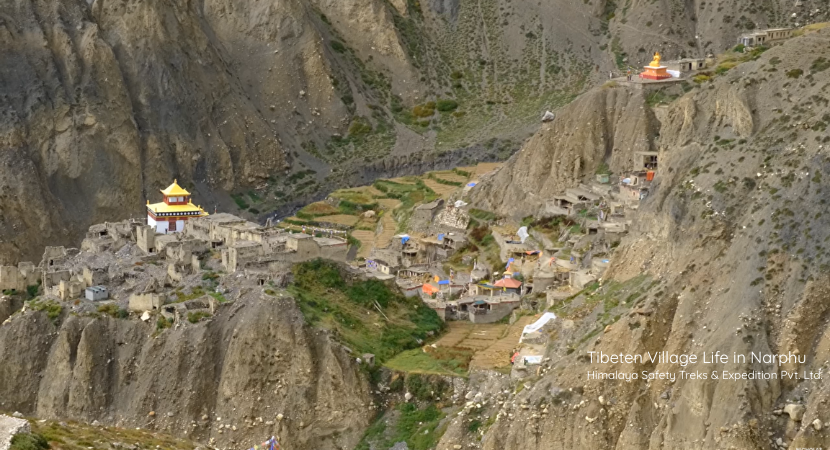
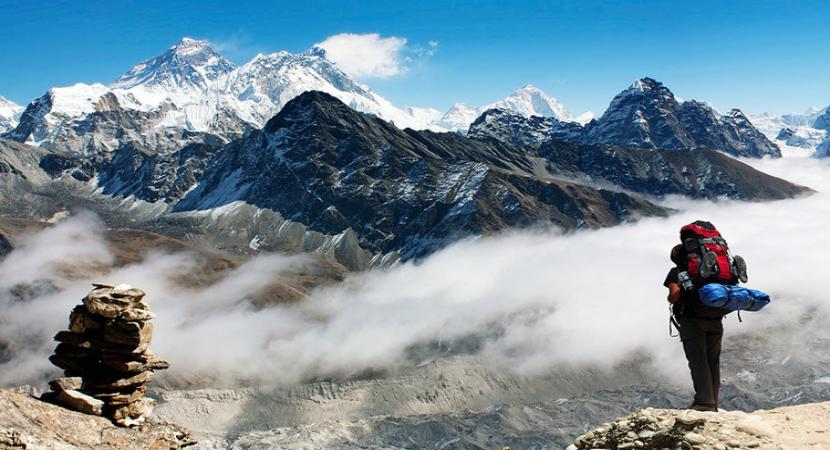
The 12-Day Nar Phu Valley Trek is an off-the-beaten-path trans-Himalayan journey into a secluded enclave hidden between the Annapurna and Manaslu ranges. Branching north off the classic Annapurna Circuit at Koto, you enter a dramatic restricted canyon where pine forests give way to eroded red cliffs, deep gorges, and windswept alpine plateaus. Exploring the ancient stone villages of Phu and Nar, you experience unblemished Tibetan Buddhist culture, visit the 14th-century Tashi Lhakhang monastery, and cross the glaciated high pass of Kang La (5,306 m) with direct panoramic views across the Annapurna massif before descending to Ngawal.
Requires a Nar Phu Restricted Area Permit (RAP, USD 100/week in Autumn, USD 75/week in Spring/Winter/Monsoon), an Annapurna Conservation Area Project (ACAP) permit, and a TIMS card. Nepal immigration mandates a minimum group of two trekkers accompanied by a licensed guide. Maximum elevation reaches 5,306 m at Kang La Pass. Accommodations feature authentic, rustic teahouses and monastery lodges.
Depart Kathmandu early morning by private 4WD vehicle along the Prithvi Highway to Besisahar. Transfer onto the rugged mountain dirt road running along the Marsyangdi River gorge, passing through deep cliffside cuts, cascading waterfalls, and the settlements of Dharapani and Timang to reach the checkpoint village of Koto.
Register your restricted area permits at the police checkpoint in Koto and cross the suspension bridge over the Marsyangdi River. Branch north into the narrow, untamed canyon of the Nar Khola. Trek through dense pine, fir, and bamboo cloud forests, crossing footbridges over raging rapids beneath sheer granite cliffs. Climb past pilgrim caves and waterfalls before ascending a steep switchback trail onto the open, windswept alpine plateau of Meta.
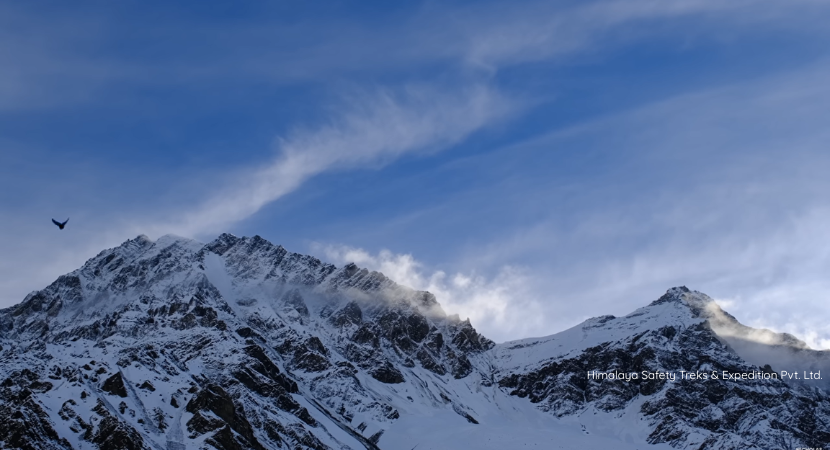
Follow the undulating trail along the arid canyon ridge with dramatic views of Kang Guru and Annapurna II. Walk past ancient seasonal pastoral settlements at Chyakhu, crossing high lateral moraines where local herders graze yaks. Continue across rocky desert slopes and beneath fluted cliff formations to check into your lodge in the medieval Tibetan-heritage outpost of Kyang.
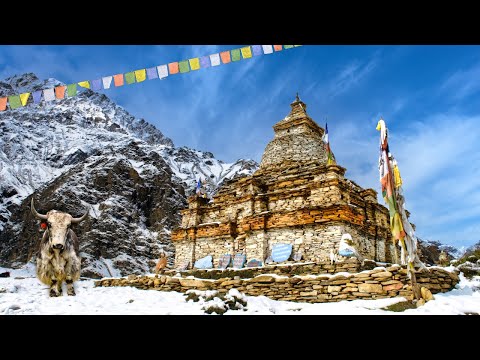
Walk through an erosion-sculpted river canyon, crossing the churning river on wooden cantilever bridges. The trail climbs past ancient stone chortens and through a dramatic natural rock tunnel that forms the historic entrance gateway (Pupche Gyalpo) to Phu. Emerge into the wide, barren valley basin to behold the tiered, stone-and-mud fortress village of Phu standing against the desert hillside.
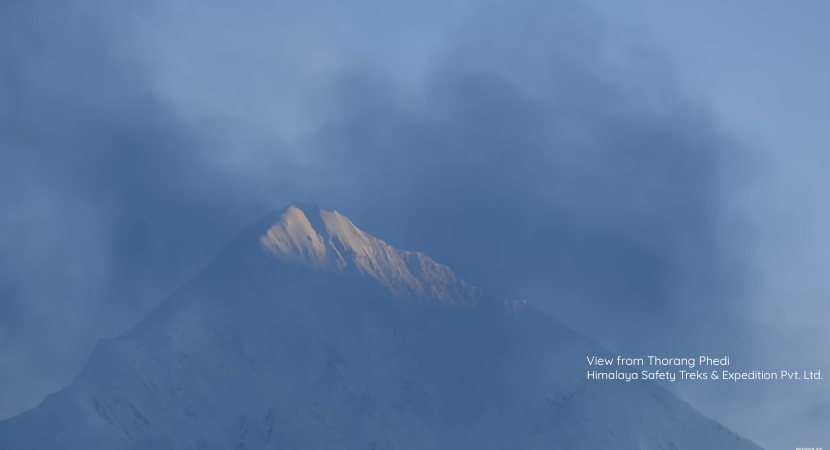
Spend the day exploring the labyrinth of flat-roofed stone houses and alleyways of Phu. Hike up the cliff promontory to Tashi Lhakhang Gompa, one of the 108 great Buddhist monasteries established by Karmapa Rinpoche. Interact with the local Tibetan-descended residents (Lama/Gurung heritage), observe traditional weaving, and take in panoramic views of Himlung Himal (7,126 m).
Retrace your steps south down the canyon past Kyang and the Pupche gorge. Drop down to the river confluence, crossing the suspension bridge spanning an immense chasm above the rushing waters of the Dho Khola. Climb a short hillside track to the secluded monastery retreat of Nar Phedi, spending the night inside the peaceful monastery guesthouse.
A short but steady morning ascent winding up stone staircases and switchbacks past painted stupas and carved Mani walls. Arrive before noon in Nar, a lively and architecturally stunning medieval village featuring clusters of stone houses, prayer wheel courtyards, and terraced barley fields nestled beneath the peaks of Pisang and Kang La.
Spend a crucial preparation day in Nar resting your legs and exploring the village's four major monasteries. Hike along the upper agricultural ridges for sweeping views of the surrounding glaciated valley, hydrate, and prepare your gear for the early morning pass crossing.
Rise at 4:00 AM under starlight to begin the high pass climb. Ascend through frosty alpine moraines and scree switchbacks to reach the prayer flags marking Kang La Pass (5,306 m). Enjoy a 360-degree panorama directly facing the colossal north faces of Annapurna II, Gangapurna, and Tilicho Peak. Make a sustained, scenic descent down open grassy slopes into the village of Ngawal.
Follow the panoramic balcony trail overlooking the Manang valley down through pine woods to Upper Pisang. Meet your private 4WD vehicle and embark on the downhill drive along the Marsyangdi River canyon, passing Chame, Timang, and Dharapani to check into your hotel in Besisahar.
Board your private vehicle for the scenic drive along the Prithvi Highway alongside the Trishuli River. Arrive in Kathmandu by mid-afternoon and transfer directly to your hotel for an evening of relaxation and hot showers.
A contingency day in Kathmandu for rest, sightseeing around UNESCO World Heritage sites, and shopping in Thamel before transferring to Tribhuvan International Airport for your international departure.
Based On 0 Review
Your email address will not be published
We offer Everest Base Camp, Annapurna Base Camp, Langtang, and custom treks suitable for all skill levels.
Yes, all treks include experienced guides, and porters are available on request for extra support.
Absolutely! Treks, safaris, boating trips, and peak climbing expeditions can be tailored to your preferences.
Book via our website, email, or Pokhara office. We’ll confirm availability and payment instructions promptly.
Packages include accommodation, meals, guide and porter services, permits, local transport, and itinerary-based activities
Essentials include trekking shoes, warm clothing, backpack, water bottle, sunscreen, hat, and basic medical supplies.
es! Safaris in Chitwan and Bardia National Parks are family-friendly, with experienced guides and safe wildlife observation.
You may see tigers, rhinos, elephants, crocodiles, deer, and various birds. Guides ensure safe and responsible viewing.
Strongly recommended for trekking, climbing, and adventure activities to ensure safety and emergency coverage.
Transportation from your hotel or nearby hub to the trek starting point is included in all packages.
Yes! Beginners are welcome with proper guidance, acclimatization schedules, and experienced support staff.
We recommend booking at least 1–2 months before peak trekking seasons (Spring: Mar–May, Autumn: Sep–Nov)
Yes, we provide discounts for families, groups, or corporate bookings. Contact us for a custom quote.



"I did the 10 days ABC trek with Batti, a very good guide. The trek was amazing! First, I met the owner who gave me lots of information and advices for the trek. This agency is very..."

"처음부터 끝까지 완전 퍼펙트 했습니다 ^^ 부펜 사장님과 미팅을 시작으로 3박 4일 동거동락을 함께했던 가이드와 포터 까지 친절하고 섬세한 보살핌 덕분에 뷰 포인트에서 장엄한 일출까지 보..."

"I cannot praise Himalaya Safety enough for organizing my unforgettable Panchase trek in Nepal! Bhupi’s expertise in advising me on the perfect trek for my preferences was invaluabl..."

"I’ve just returned from a 9 day Annapurna base camp trek. The trek was very well planned out. Pre trek itinerary and information was excellent. The guides, Madhav, Santosh and Kim..."

"I booked a day rock climbing and Mardi Himal trek through Himalaya safety adventure. I had a fantastic day climbing with Bhoopi. He was patient, kind and a brilliant climbing partn..."

"We had an amazing rock climbing session with Bhoopie in Pokhara – truly an unforgettable experience! Bhoopie’s expertise and calm guidance made us feel safe and confident throughou..."

"마르디히말 트래킹과 패러글라이딩, 비행기를 여기서 예약했어요. 가이드와 포터 모두 친절했어요. 특히 가이드는 한국말을 잘했고, 저랑 엄마가 계단을 힘들어했는데 최대한 계단 없는 길로 가..."

"Amazing trek experience! Kind and helpful owner, friendly and professional guide, and top-notch safety standards. Couldn’t have chosen better – highly recommend!"

"We recently went on a Lower Mustang trip, and it was truly a remarkable adventure, thanks to the Himalaya Safety Treks and Expedition that organised everything for us. From the mom..."

"I cannot thank Himalayan Safety and specifically Bhupendra enough for facilitating the experience of a lifetime. I came to him with a specified set of requirements, and still thoro..."

"Had the pleasure of meeting Bhupendra from Himalaya Safety Treks & Expedition whilst staying in Pokhara. After a long and insightful conversation we decided to climb Mardi Himal v..."

"I cannot praise Himalaya Safety enough for organizing my unforgettable Panchase trek in Nepal! Bhupi's expertise in advising me on the perfect trek for my preferences was invaluabl..."