Office Address
Comapany Address
Phone Number
Email Address
info@ hstnpl.com
Comapany Address
info@ hstnpl.com
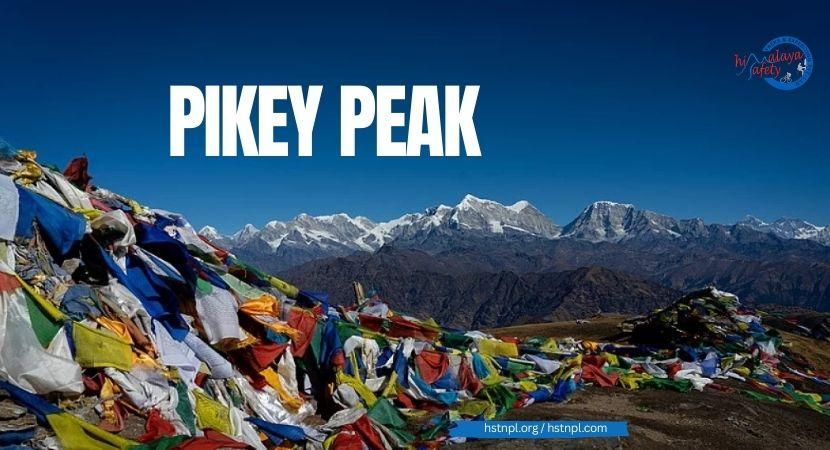
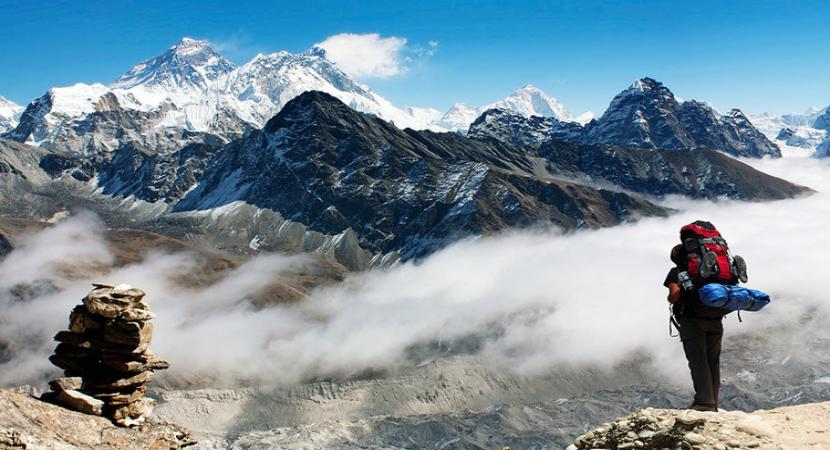
The Pikey Peak Trek is one of the most peaceful and rewarding short treks in the Everest region of Nepal. Often referred to as the “Lower Everest Trek”, this journey offers breathtaking views of Mount Everest, Makalu, Cho Oyu, and other Himalayan giants without the heavy crowds found on more popular trekking routes. It is an ideal trek for travelers looking to explore the Himalayas in a quieter and more authentic setting.
Located in the Solukhumbu region, the trek leads you through the traditional homeland of the Sherpa people, where ancient culture, warm hospitality, and Buddhist traditions remain strong. The trail passes through charming villages, alpine forests, yak pastures, and scenic ridgelines. Along the route you will encounter monasteries, prayer flags, and mani walls that reflect the deep spiritual connection of the Sherpa community with the mountains.
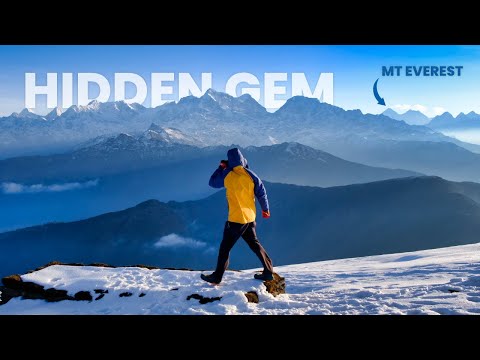
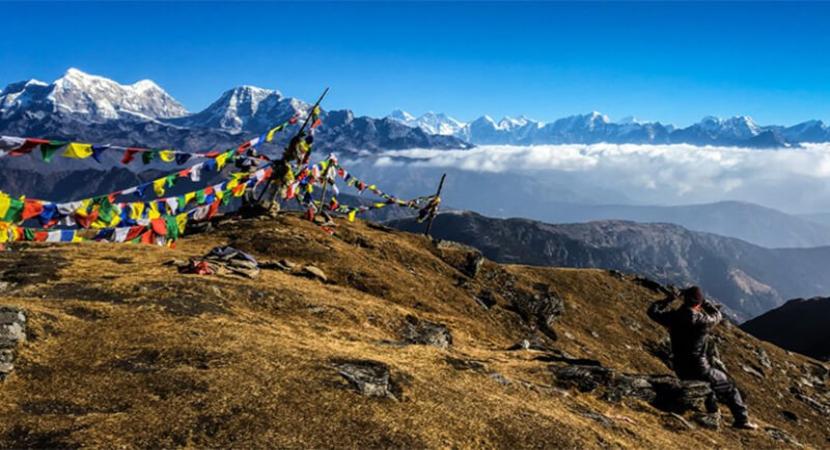
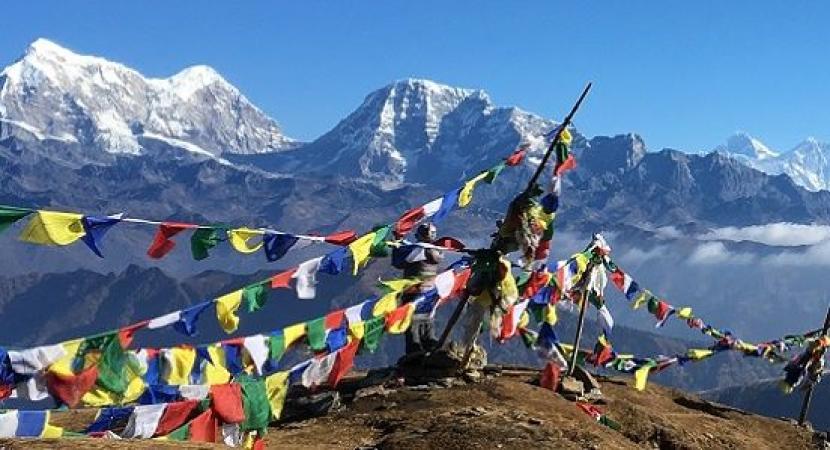
The main highlight of the journey is reaching the summit of Pikey Peak (4,065 meters). From the top, trekkers are rewarded with a breathtaking panoramic sunrise view of the Himalayan range, including Mount Everest, Makalu, Kanchenjunga, and many other majestic peaks. The sunrise and sunset views from Pikey Peak are considered among the best viewpoints in Nepal.
Unlike many other high-altitude treks, the Pikey Peak Trek remains relatively untouched and less crowded, offering a peaceful trekking experience in nature. The gradual altitude gain makes it suitable for both beginner trekkers and experienced hikers looking for a relaxing yet scenic Himalayan adventure.
The trek also provides opportunities to experience traditional Sherpa culture, local lifestyles, and countryside landscapes. Trekkers pass through traditional settlements, yak shelters, seasonal rhododendron forests, and open alpine meadows, making the journey diverse and memorable.
For travelers seeking a short Himalayan trek with incredible mountain views, authentic culture, and fewer tourists, the Pikey Peak Trek is a perfect choice.
The best seasons for the Pikey Peak Trek are spring (March to May) and autumn (September to November). During these months, the weather is stable and clear, providing excellent views of the Himalayan mountains. Spring also offers beautiful blooming rhododendron forests along the trail.
Trek Difficulty Level
Pikey Peak Trek is considered an easy to moderate trek. The altitude gain is gradual, making it suitable for beginners as well as trekkers with limited high-altitude experience.
Maximum Altitude
The highest point of the trek is Pikey Peak at 4,065 meters, where trekkers can enjoy spectacular sunrise views over Mount Everest and surrounding peaks.
Accommodation
Accommodation along the route includes local teahouses, homestays, and small lodges run by Sherpa families. Some trekking itineraries may also include camping experiences to explore the remote landscapes more deeply.
Trek Duration
The trek generally takes 6 to 8 days, depending on the itinerary and starting point.
Cultural Experience
The Pikey Peak region is strongly influenced by Sherpa culture and Tibetan Buddhism. Trekkers will encounter monasteries, prayer flags, chortens, and traditional villages where locals maintain centuries-old customs.
On your arrival at the Tribhuvan International Airport, .You will be then escorted to the respective hotel/resort in Kathmandu and helped in check-in formalities. You can rest and refresh for a bit.
Depending upon your arrival time, you can opt. for short guided sightseeing. If your arrival makes it by the afternoon, you will be guided to Boudhanath Stupa, one of the seven UNESCO World Heritage Sites in the valley. It is the biggest stupa in Nepal and one of the biggest in Asia reflecting Mahayana (Tibetan) Buddhism.
After exploring the peaceful Boudhanath area, we will drive to Pashupatinath Temple which is only minutes’ drive from Boudhanath. Pashupatinath Temple is another world heritage site that is one of the four prominent Hindu sites in the world. The highlight of visiting the temple of Lord Shiva is the evening Aarti ceremony.
After that, we will drive back to the city center and stroll around the streets of Thamel, the biggest commercial hub of Nepal.
Start the day with a delicious breakfast at the hotel and you will be guided for the full-day Kathmandu sightseeing covering some of the prominent landmarks of Nepal that are also listed as world heritage sites such as Swayambhunath Stupa, Patan Durbar Square, Bhaktapur Durbar Square, and Kathmandu Durbar Square.
Swayambhunath Stupa is one of the most beloved Buddhist and Hindu sites located at a hilltop overlooking the entire Kathmandu valley surrounded by the high lush green hills. It is one of the oldest sites in Kathmandu that is related to the birth of Kathmandu Valley itself.
Patan Durbar Square is one of the three Durbar Squares in Kathmandu Valley located in the city of beauty called Patan or Lalitpur. Patan Durbar is mostly popular for its artistic side as the complex boasts the Newari architecture in its hundreds of monuments, shrines, temples, and statues.
Bhaktapur Durbar Square is an open museum of medieval art and architecture with many masterpieces of sculpture, woodcarving, and huge pagoda temples dedicated to many gods and goddesses. It is located 15 kilometers from Kathmandu with a collection of pagoda and shikhara-style temples arranged around a brick and wood palace with fifty-five windows.
Kathmandu Durbar Square is also known as Hanuman Dhoka Durbar and Basantapur Durbar Square. It is located at the center of the city near to the ancient markets of Ason, Thamel, and Indrachowk which are within the walking distance. It is also a famous hotspot for the locals, especially for youngsters. The durbar complex has wonderful history and history-related monuments. Kumari Ghar – the temple/house of the Living Goddess Kumari, Kasthamandap, the statue of Hanuman, the former royal palace now museum, Kala Bhairav Temple, etc. are just a few of the sites to see here.
Our journey begins with a short domestic flight to Phaplu. As we fly through the mountains, we arrive at our destination that opens up a gateway to the more remote parts of the Himalayas. We begin our hike immediately with a short trek to Salleri and make camp by nightfall.
We set out early heading south towards the village of Dorpu. As the day progresses, we cross a torrid river and then climb to Ghatte Khola. After lunch, we head to a nearby vista point that offers up spectacular views of Mera Peak, Numbur, and Thamserku. We camp for the night at Dandakharka having gained just a couple of hundred meters in elevation.
Those who feel up to it can choose to begin their day with a blessed view of the magnificent Everest and this even before breakfast! It is just a short walk from the camp and there is time aplenty to complete our journey to Jhapre (2820m) where we will rest for the night. An adventurous day awaits us with ridge trails and river crossings with an exciting climb. At Jhapre we will be camping within view of the largest mountains of the Himalayas.
The highest climb of our journey is yet to come, as we quickly ascend almost 1000m through thick forest underbrush and emerge at a ridgeline that provides a consistently amazing view of the surrounding peaks. Upon reaching the Pikey Peak Base Camp, we set up camp and rest for the long day ahead.
While we don’t gain as much elevation as the previous day, we still have an arduous climb ahead of us as the gradient we conquer today is much greater. At the summit of Pikey (4065m), we are rewarded with spectacular views of Everest and the Khumbu Mountains. If we are lucky enough, we may also catch a glimpse of the Annapurnas in the distance. By afternoon, we begin our descent to Jhase Bhanjyang for lunch and then to camp at the foot of the Lamjura La (3530m) .
A more leisurely walk can be expected today. We make our way through mostly plains and down to our camp in the Mopung Valley. We also cross Junbesi on our descent, a village frequented by hikers heading on the main Everest trail from Jiri.
This day is not planned in detail as we would like to allow our hikers to have the flexibility to choose what they would do. Short and long walks are equally encouraged with guides and Sherpas being provided for all groups.
The best and most popular option is to hike up to the Thuptenchholing Gompa, a wonderful spot where 800 monks live in little cottages dotting the hill behind the main Gompa. After exploring the Gompa and its surroundings we will return to our camp at Mopung Valley or Junbesi and spend another night under the sky full of stars.
After breakfast at our camp in Mopung Valley, we start our trek and pass through the Sherpa Village of Timba. From Timba, we head to Ringmu which leads us to the main trail frequented by hikers taking the path from Jiri to Lukla. Ringmu is another Sherpa community with a rich cultural heritage. It is known for its apple wine and yak cheese.
From Ringmu, we quickly return to Phaplu on an easy walk via the dense forest and Tak Shindo village. The trail runs through Himalayan pasture terrain with abundant Himalayan vegetation. Phaplu is a good place to spend the night. On request, a Sherpa cultural show can be arranged here in Phaplu.
As the trek has come to an end, we will fly to Kathmandu early in the morning from Phaplu enjoying magnificent views of Cho Oyu, Everest, Langtang, and other peaks. Once in Kathmandu, we will drive to the hotel where you will check-in and take a brief rest. The remainder of the day in Kathmandu is on your own. You can stroll around the Thamel, Ason, and Indrachowk markets. In the evening, we will gather at an authentic Nepalese restaurant for a farewell dinner to celebrate the success of the trek.
Concluding the journey, a representative from Himalayan Trekkers will transfer you at the Tribhuvan International Airport 3 hours prior to your scheduled flight back to your home country or onward destination.
Based On 0 Review
Your email address will not be published
We offer Everest Base Camp, Annapurna Base Camp, Langtang, and custom treks suitable for all skill levels.
Yes, all treks include experienced guides, and porters are available on request for extra support.
Absolutely! Treks, safaris, boating trips, and peak climbing expeditions can be tailored to your preferences.
Book via our website, email, or Pokhara office. We’ll confirm availability and payment instructions promptly.
Packages include accommodation, meals, guide and porter services, permits, local transport, and itinerary-based activities
Essentials include trekking shoes, warm clothing, backpack, water bottle, sunscreen, hat, and basic medical supplies.
es! Safaris in Chitwan and Bardia National Parks are family-friendly, with experienced guides and safe wildlife observation.
You may see tigers, rhinos, elephants, crocodiles, deer, and various birds. Guides ensure safe and responsible viewing.
Strongly recommended for trekking, climbing, and adventure activities to ensure safety and emergency coverage.
Transportation from your hotel or nearby hub to the trek starting point is included in all packages.
Yes! Beginners are welcome with proper guidance, acclimatization schedules, and experienced support staff.
We recommend booking at least 1–2 months before peak trekking seasons (Spring: Mar–May, Autumn: Sep–Nov)
Yes, we provide discounts for families, groups, or corporate bookings. Contact us for a custom quote.



"I did the 10 days ABC trek with Batti, a very good guide. The trek was amazing! First, I met the owner who gave me lots of information and advices for the trek. This agency is very..."

"처음부터 끝까지 완전 퍼펙트 했습니다 ^^ 부펜 사장님과 미팅을 시작으로 3박 4일 동거동락을 함께했던 가이드와 포터 까지 친절하고 섬세한 보살핌 덕분에 뷰 포인트에서 장엄한 일출까지 보..."

"I cannot praise Himalaya Safety enough for organizing my unforgettable Panchase trek in Nepal! Bhupi’s expertise in advising me on the perfect trek for my preferences was invaluabl..."

"I’ve just returned from a 9 day Annapurna base camp trek. The trek was very well planned out. Pre trek itinerary and information was excellent. The guides, Madhav, Santosh and Kim..."

"I booked a day rock climbing and Mardi Himal trek through Himalaya safety adventure. I had a fantastic day climbing with Bhoopi. He was patient, kind and a brilliant climbing partn..."

"We had an amazing rock climbing session with Bhoopie in Pokhara – truly an unforgettable experience! Bhoopie’s expertise and calm guidance made us feel safe and confident throughou..."

"마르디히말 트래킹과 패러글라이딩, 비행기를 여기서 예약했어요. 가이드와 포터 모두 친절했어요. 특히 가이드는 한국말을 잘했고, 저랑 엄마가 계단을 힘들어했는데 최대한 계단 없는 길로 가..."

"Amazing trek experience! Kind and helpful owner, friendly and professional guide, and top-notch safety standards. Couldn’t have chosen better – highly recommend!"

"We recently went on a Lower Mustang trip, and it was truly a remarkable adventure, thanks to the Himalaya Safety Treks and Expedition that organised everything for us. From the mom..."

"I cannot thank Himalayan Safety and specifically Bhupendra enough for facilitating the experience of a lifetime. I came to him with a specified set of requirements, and still thoro..."

"Had the pleasure of meeting Bhupendra from Himalaya Safety Treks & Expedition whilst staying in Pokhara. After a long and insightful conversation we decided to climb Mardi Himal v..."

"I cannot praise Himalaya Safety enough for organizing my unforgettable Panchase trek in Nepal! Bhupi's expertise in advising me on the perfect trek for my preferences was invaluabl..."