Office Address
Comapany Address
Phone Number
Email Address
info@ hstnpl.com
Comapany Address
info@ hstnpl.com
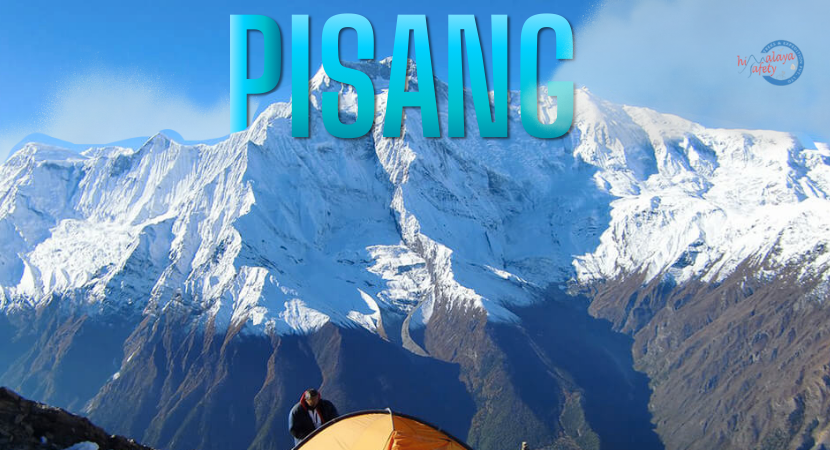
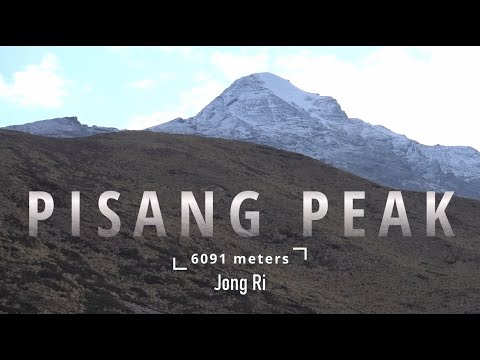
Pisang Peak (6,091 meters / 19,984 feet), also known as Jong Ri, is located between the Annapurna and Manaslu ranges in Nepal’s Manang district. First conquered by a German expedition team in 1955, this peak has since become a sought-after destination for climbers seeking an exciting yet approachable Himalayan challenge.
This adventure combines rich cultural experiences, scenic trekking routes, and diverse natural beauty. Though considered a relatively easy climbing peak, Pisang Peak still demands good physical fitness and overall health for a safe and successful summit.
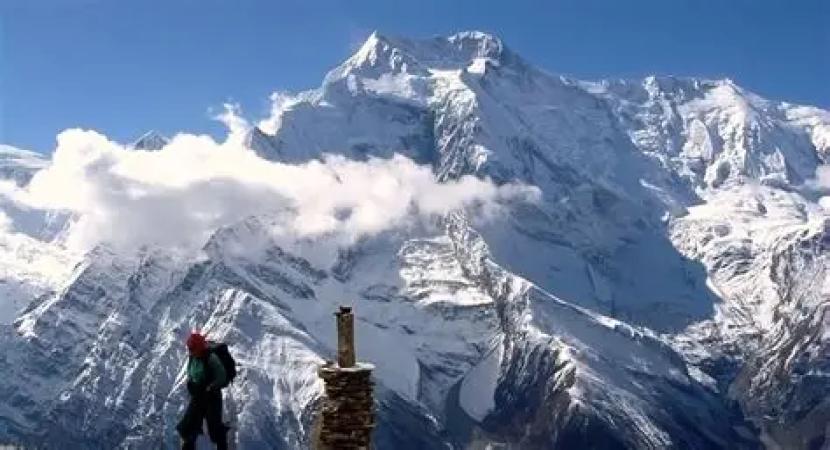
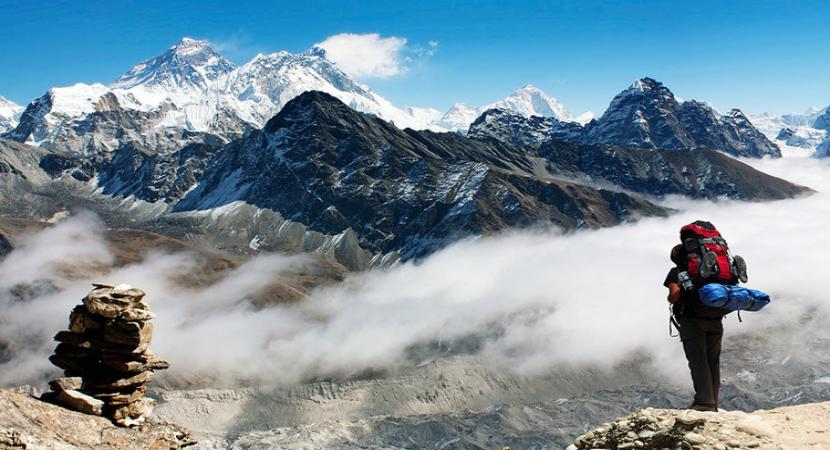
Reaching the top rewards climbers with close-up panoramic views of iconic peaks such as Annapurna, Manaslu, Chulu range, Himlung, Tilicho, and Damodar. The 15-day itinerary designed by Exciting Nepal blends trekking and mountaineering perfectly—ideal for adventurers looking to scale a 6,000-meter peak while immersing themselves in the beauty of the Annapurna region.
Key Highlights of Pisang Peak Climb
Exciting ascent of a 6,000-meter Himalayan peak
Breathtaking summit views of Annapurna, Manaslu, and beyond
Cross the iconic Thorong La Pass (5,416 m / 17,769 ft), one of the highest trekking passes in the world
Explore Muktinath Temple, a sacred site for both Hindus and Buddhists
Journey through Manang and Mustang, two of Nepal’s most stunning regions
Trek along the renowned Annapurna Circuit, one of the best long-distance trails in the world
Visit traditional villages like Chamje, Dharapani, and Chame, full of cultural charm
Interact with local Gurung and Tibetan-influenced communities for a culturally enriching experience
Wander through bamboo and rhododendron forests, and cross the sparkling Marsyangdi River
Similar Climbing Adventures You May Enjoy
Lobuche Peak Climbing – Challenge yourself in the Everest region with panoramic views of Everest, Lhotse, and Nuptse.
Mera Peak Climbing – The highest trekking peak in Nepal, offering views of five 8,000m giants.
Pokalde Peak Climbing – A short, scenic climb great for first-time mountaineers in the Everest region.
Island Peak Climbing – A popular and rewarding choice near Everest Base Camp, ideal for novice climbers.
Pisang Peak Climbing is a 15-day adventure that combines high-altitude trekking and basic mountaineering, reaching a maximum elevation of 6,091 meters, making it ideal for climbers seeking their first Himalayan peak above 6,000 meters. Although considered one of Nepal’s more accessible climbing peaks, it still requires good physical fitness, strong endurance, and proper acclimatization for a safe ascent. The best seasons for climbing are spring and autumn when weather conditions are most stable and mountain views are clear. Prior trekking experience is recommended, while basic mountaineering skills will be taught during the climb. Climbers must carry appropriate gear for snow and ice conditions, and professional guides and porters are essential for safety. Required permits include the Pisang Peak Climbing Permit, Annapurna Conservation Area Permit (ACAP), and TIMS Card. The journey offers not only a thrilling summit experience but also deep cultural immersion through Manang and Mustang villages, Buddhist monasteries, and the famous Annapurna Circuit, making this climb both physically rewarding and culturally enriching.
Kathmandu Elevation: 1,400 meters/4,593 feet Bulbule Elevation: 840meters/2,756 feet
The drive from Kathmandu to Bulbule starts the journey of Pisang Peak Climb. Following the Prithivi Highway, we navigate city streets to follow the paths of lush hills and Valleys. Covering a significant distance of approximately 175 kilometers, the scenic drive offers the view of picturesque landscapes, winding roads, and enchanting mountainous terrains. Crossing the rural villages of the river valleys, we head towards the narrow roads of remote regions to reach Bulbule, the starting point of our trekking journey to the Annapurna Circuit.
Chamje Elevation: 1,430 meters/4,690 feet
The journey continues from Bulbule, trekking alongside the Marsyandi River. The trail to Chamje is adorned with the background of incredible Himalayas and surroundings of enchanting high-mountain landscapes. The elevation slowly rises, passing through villages like Ngadi and Bahundanda along the winding trails. You can witness and explore the local cultural and traditional architecture of the villages. Traverse through dense forests, cross suspension bridges over the rivers, and finally reach the destination of the day, Chamje.
After an overnight stay at Chamje, the day begins with a trekking journey towards Dharapani. The trekking trail primarily crosses several thrilling suspension bridges, the first of which is over the Marshyangdi River. Continue on the trekking journey, traversing the rhododendron forests, terraced fields, prayer wheels, and steep rocky paths of the Manang region. After several ascents and descents, the destination, Dharapani, closes up. Dharapani is a charming traditional village of Gurung communities.
Chame Elevation: 2,630 meters/8,628 feet
The fourth-day journey starts from Dharapani where the trail leads to Chame. As you traverse the remote villages (Bagarchap, Timang, etc.), you can gain deep insights into the traditional rural lifestyle, Tibetan-style culture, and religion. The trail follows the uphill climb, passing through the lush greeneries and vibrant rhododendron blossoms and again connecting the Marshyangdi River bank. Finally, following the distinctive trails, Chame comes into view, which is the headquarters of the Manang. Trekkers can find cozy and comfortable teahouses/lodges in the alpine environment of Chame.
Upper Pisang Elevation: 3,700 meters/12,136 feet
Chame to Upper Pisang is an alluring segment of trekking along the Annapurna Circuit. The trekking journey features an enchanting transition from lower to upper Himalayan regions. The trek heads towards Bharatang, a small settlement and trekking alongside the Marsyandi Riverbed, the trail ascends, crossing a suspension bridge to reach Dhikur Pokhari. This is a mesmerizing alpine lake within rugged Himalayan topographies, offering tranquility.
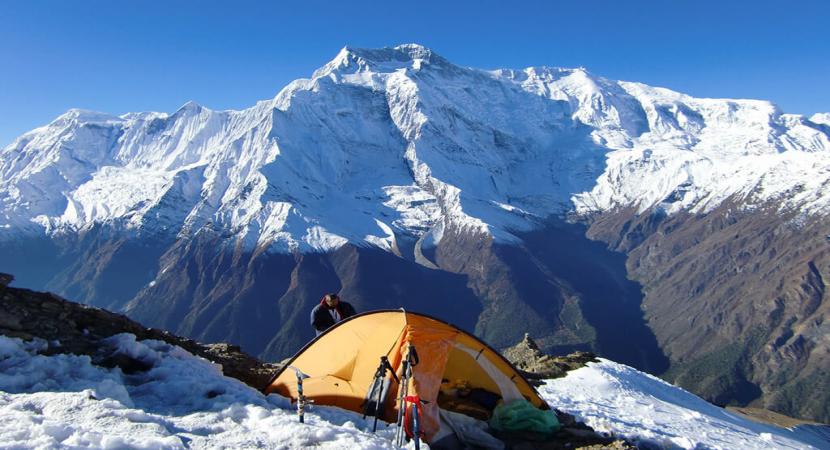
The trail then descends to lower Pisang village, with terraced farmlands and Tibetan-style houses adorned with prayer flags. Further traversing the enchanting forest areas and several settlements, we reach Upper Pisang for an overnight stay. Upper Pisang is a village located at a high altitude in an alpine environment. From there, Pisang Peak is seen to the north, along with the magnificent views of the Annapurna ranges.
On this day, we will acclimatize before further trekking to the higher elevations. On the acclimatization day in Upper Pisang, you can rest and relax to restore the lost energy during the several hours of each day trek. A well-rested body can start fresh on the next-day journey with upgraded strength and stamina. To build up your endurance capacity, you can engage in light physical and cardiovascular exercises.
Spend your leisure day acclimatizing to the environment, which helps the body to adjust to the elevation and high-altitude surroundings. It helps to reduce the potential altitude sickness attacks. Next, you can review your gear and climbing equipment, and if time permits, you can visit and explore the Upper Pisang village. Know and understand the culture and tradition of the region and marvel at the amazing mountain views seen from there.
The trek begins from Upper Pisang Village after an acclimatization day, passing the traditional villages. You can witness the prayer flags, monasteries, ancient architecture, unique culture, etc. while passing through the settlements. The trail heads towards Pisang Peak Base Camp, where you have to ascend through the alpine terrains and rocky paths. We will finally reach the base camp from Pisang and stay there for the night. The Pisang Peak Base Camp offers awe-inspiring views of the stunning Himalayan peaks.
The trail from base camp is narrow, rocky, and potentially snowy with some steep sections. Continue ascending the barren landscapes to gain a significant elevation of Pisang Peak High Camp, approximately about 1,000 meters. Throughout the trek, the incredible views of the Manaslu and Annapurna mountain ranges dominate the journey.
Reaching High Camp at 5,400 meters, the tent will be set to make necessary arrangements and prepare for Pisang Peak Climbing. The expedition crew will thoroughly check to make sure whether or not you are acclimatized for the summit push. As we will be spending our night at high camp, take the high camp opportunity to rest and acclimatize, adjusting the body to the higher elevations.
Pisang Peak Elevation: 6,091 meters/19,980 feet
Summit to the Pisang Peak is an adventurous-filled, exciting journey. The climb to the summit involves steep technical sections, requiring a cautious ascend. With the help of a climbing guide fixing the rope, the distinctive way leads toward the summit. Ascending the final ridge, you can finally step upon the summit of Pisang Peak. It is a triumph moment upon conquering the majestic Peak. Enjoy the summit view of Annapurna, Chulu Range, Manaslu, Himlung, Tilicho Peak, Glacier Dome, Damodar, etc. Celebrate and photograph the success and retrace your paths to get back to the base camp.
The journey starts from the Pisang Peak Base Camp, amidst the Himalayas. Start a descent to connect with the Annapurna Circuit trail and head towards Manang Valley. Most of the time, you will make a journey trekking alongside the riverbeds, encircled by the enchanting mountainous scenery. After around 5 to 6 hours of the exhilarating trek, Manang Valley approaches. Nestled in the Marsyandi River Valley, Manang offers serene Himalayan landscapes along with the unique culture, tradition, and history of the region.
Traversing the diverse landscapes and soaking into the cultural dimensions of the trek, the journey from Manang Valley heads towards Yak Kharka. The enchanting Valley with Tibetan-style architecture and monasteries is left behind while climbing the steep uphills. Enjoy the wonderful views of Annapurna and Gangapurna along the way and follow a gradual pace of ascent. Navigating the alpine terrains, forested areas, and Himalayan vegetation, you will reach Yak Kharka. Yak Kharka is mainly pasture land (as Kahrka refers to a high-altitude grazing area for Yaks), encircled by the alpine meadows. You can find small settlements of people there where you can have insights into the local culture and living style of residents.
This day, we head out from small villages to follow the destination Thorung Phedi. Thorung Phedi is a foot of challenging Thorung La Pass. The trek starts from the Yak Kharka, surrounded by mountainous topographies, and follows the rocky paths with more rugged terrains towards Thorung Phedi. The landscapes start to transform into high alpine terrains, and the trails become steeper as you approach Thorung Phedi. Along the way, the alluring views of the snow-capped Himalayas create a magnificent setting for the trek.
Thorung La Elevation: 5,416 meters/17,769 feet
Muktinath Elevation: 3,710 meters/12,171 feet
This day of trekking journey involves crossing one of the high mountain passes, Thorung La and heading towards the holy temple Muktinath. Thoung La is a high-altitude pass at 5,416 meters/17,769 feet. We start on an early morning trek with the goal of navigating the Thorung La Pass before midday. Traversing the rocky trails and lush vast forests, you reach the Thorung La Pass, where there is a high chance of snow accumulation and strong winds. While crossing the challenging Pass, the panoramic views of mount Annapurna, Dhaulagiri, and enchanting mountainous landscapes are seen.
After that, we follow a gradual descent on steep rocky terrains from the Pass and make a way to reach Muktinath. Slowly, the descent becomes less steep, and the alpine surroundings change to sub-alpine landscapes. Witnessing the views of the amazing Kali Gandaki Valley, we reach our destination, Muktinath. This is a pilgrimage site of Buddhist and Hindu religions, offering a harmonious blend of natural and cultural significance.
On this day, you can have an early morning tour around the Muktinath temple before proceeding the trekking journey. Don't miss an opportunity to have a holy bath in the 108 waterspouts and explore the underground natural eternal flame. Then, start fresh on the journey to Tatopani, a famous place for natural hot springs.
Descending from the high-altitude arid landscapes of Muktinath, the trail follows the transition journey of sub-alpine landscapes to a sub-tropical environment. Traversing several traditional villages and rhododendron-bloomed forested areas, we finally reach Tatopani. Dipping into the hot springs of Tatopani offers a relaxing conclusion to the trekking journey.
Pokhara Elevation: 822 meters/2,696 feet After a successful trekking and climbing adventure of the Pisang peak, we finally return to Pokhara to culminate the journey. We embark on a scenic drive from Tatopani along the Kali Gandaki George to reach the popular travel destination Pokhara. The journey is picturesque, passing through lush landscapes, pristine rivers and waterfalls, rural villages, winding roads, green hills, and finally witnessing the serene lakes at Pokhara. Time permitting, here you can engage in different adventure activities and spend quality concluding time marveling at breathtaking mountain views.
Based On 0 Review
Your email address will not be published



"I did the 10 days ABC trek with Batti, a very good guide. The trek was amazing! First, I met the owner who gave me lots of information and advices for the trek. This agency is very..."

"처음부터 끝까지 완전 퍼펙트 했습니다 ^^ 부펜 사장님과 미팅을 시작으로 3박 4일 동거동락을 함께했던 가이드와 포터 까지 친절하고 섬세한 보살핌 덕분에 뷰 포인트에서 장엄한 일출까지 보..."

"I cannot praise Himalaya Safety enough for organizing my unforgettable Panchase trek in Nepal! Bhupi’s expertise in advising me on the perfect trek for my preferences was invaluabl..."

"I’ve just returned from a 9 day Annapurna base camp trek. The trek was very well planned out. Pre trek itinerary and information was excellent. The guides, Madhav, Santosh and Kim..."

"I booked a day rock climbing and Mardi Himal trek through Himalaya safety adventure. I had a fantastic day climbing with Bhoopi. He was patient, kind and a brilliant climbing partn..."

"We had an amazing rock climbing session with Bhoopie in Pokhara – truly an unforgettable experience! Bhoopie’s expertise and calm guidance made us feel safe and confident throughou..."

"마르디히말 트래킹과 패러글라이딩, 비행기를 여기서 예약했어요. 가이드와 포터 모두 친절했어요. 특히 가이드는 한국말을 잘했고, 저랑 엄마가 계단을 힘들어했는데 최대한 계단 없는 길로 가..."

"Amazing trek experience! Kind and helpful owner, friendly and professional guide, and top-notch safety standards. Couldn’t have chosen better – highly recommend!"

"We recently went on a Lower Mustang trip, and it was truly a remarkable adventure, thanks to the Himalaya Safety Treks and Expedition that organised everything for us. From the mom..."

"I cannot thank Himalayan Safety and specifically Bhupendra enough for facilitating the experience of a lifetime. I came to him with a specified set of requirements, and still thoro..."

"Had the pleasure of meeting Bhupendra from Himalaya Safety Treks & Expedition whilst staying in Pokhara. After a long and insightful conversation we decided to climb Mardi Himal v..."

"I cannot praise Himalaya Safety enough for organizing my unforgettable Panchase trek in Nepal! Bhupi's expertise in advising me on the perfect trek for my preferences was invaluabl..."